.png)


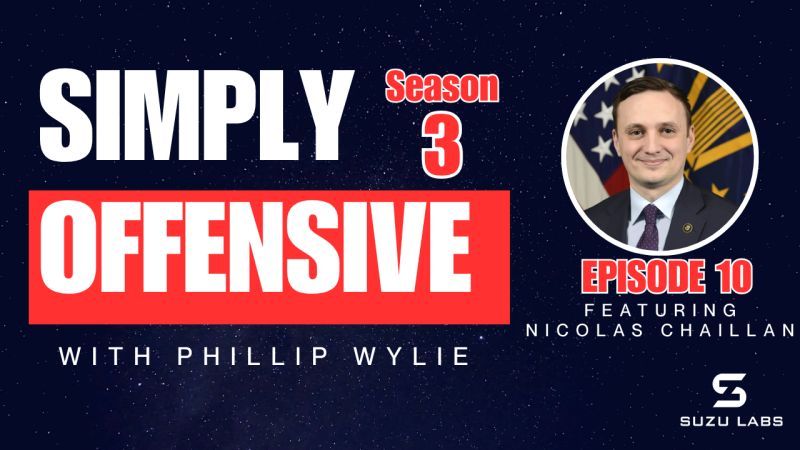
In the latest episode of the Simply Offensive podcast, host Philip Wylie sat down with Matt Brown, a renowned hardware hacker, content creator, and the mind behind Brownfield Security. Matt recently reached a massive milestone of 200,000 subscribers on YouTube [26:51], and he joined the show to share his journey from taking apart electronics as a kid to becoming a professional IoT pentester.
If you’ve ever wondered what it takes to break into the niche world of hardware hacking or how content creation can catapult your career, this episode is a goldmine of advice.
What Exactly is Hardware Hacking?
For Matt, hardware hacking is all about reverse engineering devices to understand how they work and then making them do things the creators never intended [02:55]. This can range from:
- Exploiting cyber security flaws in IoT devices.
- Jailbreaking hardware to add features the manufacturer blocked.
- Kinetic effects: Unlike traditional software hacking, hardware hacking interacts with the physical world—cameras that see, sensors that listen, and robotics that move.
The Roadmap: How to Get Started
Many beginners try to jump straight into advanced hardware security, but Matt emphasizes the importance of fundamental building blocks [06:05]. If you want to succeed, you should first have a grasp on:
- Networking & Sysadmin: Understanding how devices communicate.
- Linux Fundamentals: A vast majority of IoT devices run on Linux.
- Microcontrollers: Understanding bare-metal environments.
- Electrical Engineering Basics: Learning digital protocols (like UART) to speak to chips on a board.
Hardware Hacking on a Budget
One common myth is that hardware hacking requires a multi-thousand-dollar lab. Matt debunked this by highlighting how affordable entry-level gear has become:
- UART Adapters: $5–$10 on Amazon.
- Raspberry Pi Pico: Around $12.
- Logic Analyzers: Approximately $10. Matt notes that you can get a full hands-on setup for about **$45** to start performing firmware dumps and hardware analysis.
Content Creation as a Career Catalyst
Matt’s YouTube journey started three years ago with a simple goal: share what he knew [21:49]. Since then, his channel has become a primary driver for his business. His advice for aspiring creators? Prioritize quantity over quality at the start [25:23].
- Fast feedback loops from your audience help you learn what works.
- Content creation builds "long-term dividends," leading to job offers and consulting opportunities months or even years after a video is posted.
Community & Resources
If you’re looking to dive deeper, Matt recommends these communities and events:
- Hardware.io: Considered the #1 conference for dedicated hardware security.
- The IoT Hacker Hideout: Matt’s Discord community of nearly 5,000 people who collaborate on group hacking projects.
- DEF CON: Specifically the Embedded Systems Village.
Ready to start your hardware hacking journey? Check out the full podcast episode here: Exploring the World of Hardware Hacking with Matt Brown
You can also find Matt's tutorials on his YouTube Channel or explore his formal training at training.brownfieldsecurity.com [08:46].




.png)











.png)



-1.png)
.png)




.png)